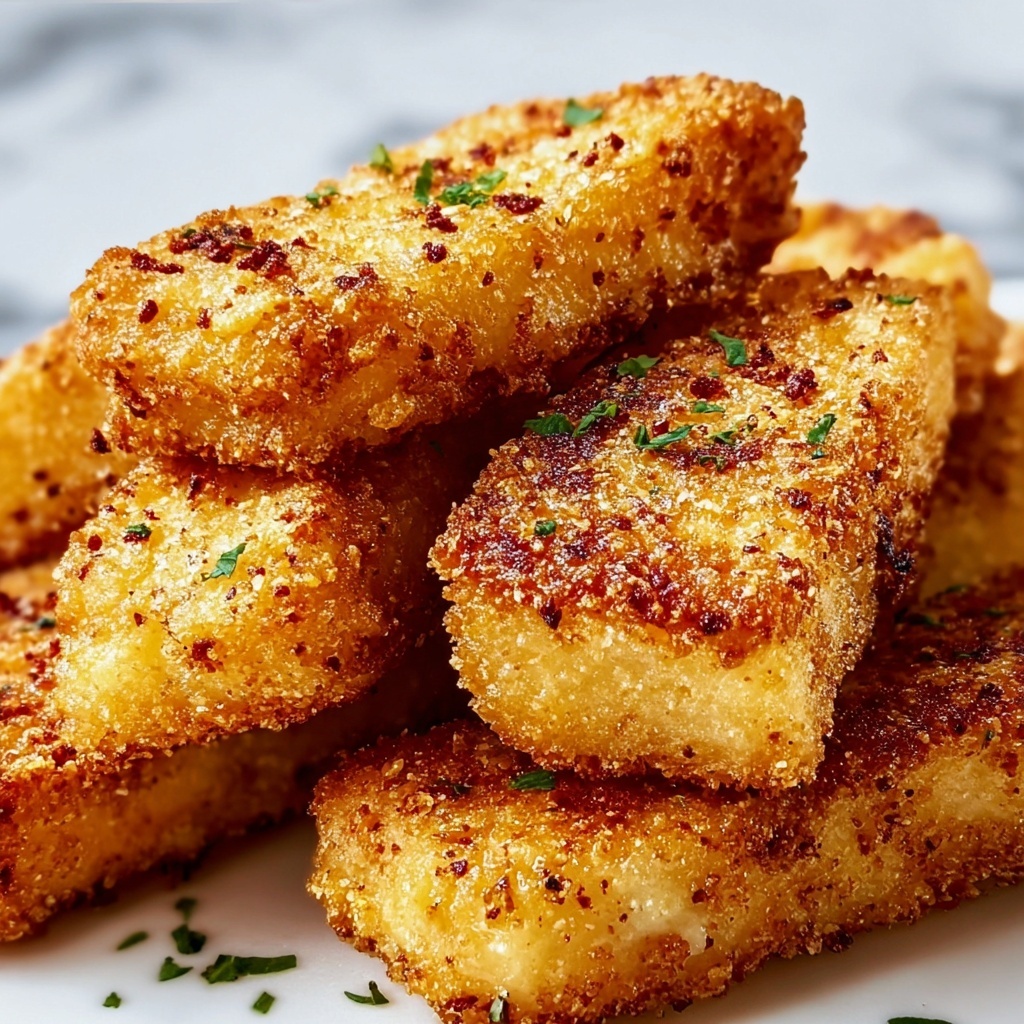
If you have ever fallen in love with those irresistibly crispy, tender chicken strips from your favorite fast-food spot, wait until you try this homemade Raising Cane Tenders Recipe. It captures that perfect harmony of juicy, flavorful chicken and a crunchy, well-seasoned crust that everyone raves about. The magic lies in the buttermilk marinade that tenderizes and infuses the meat with subtle spices, coupled with a double dredge technique that guarantees maximum crispiness every single time. This is comfort food at its finest, made right in your own kitchen!
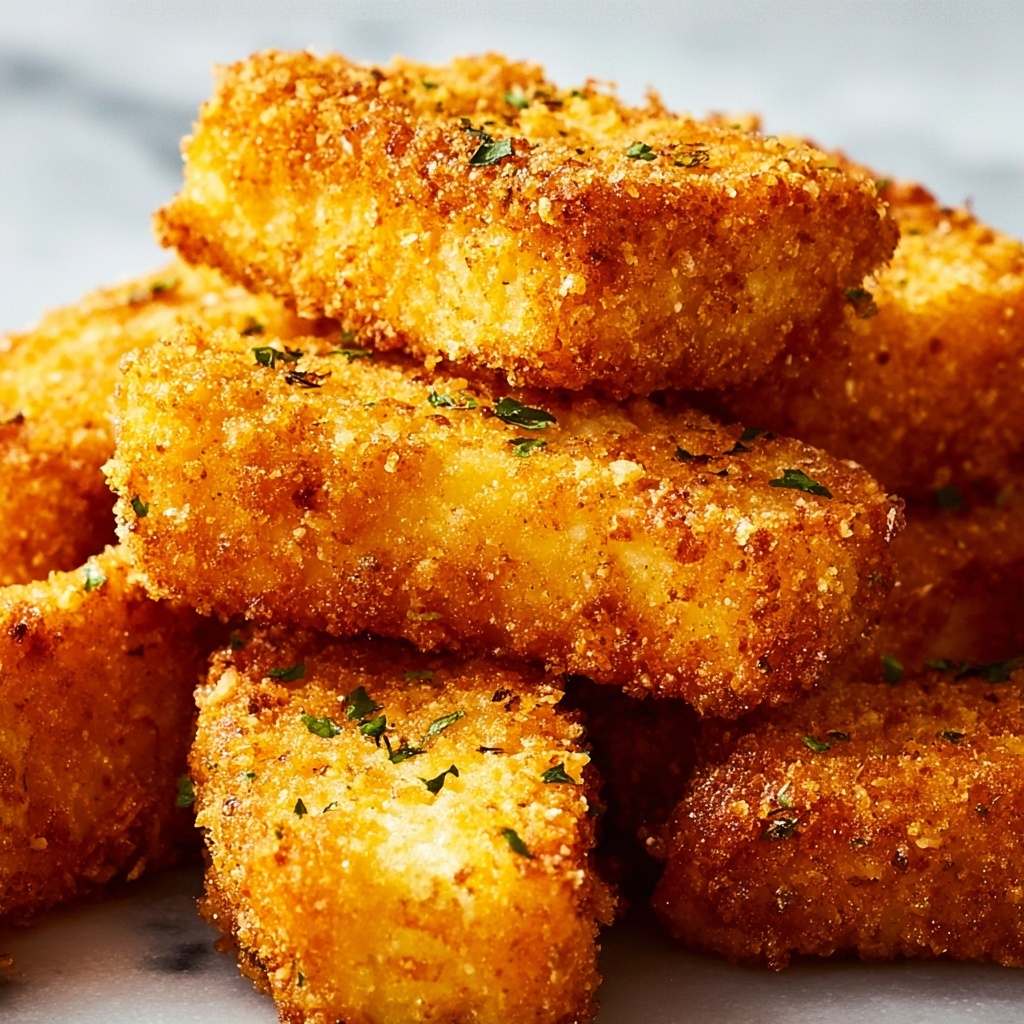
Ingredients You’ll Need
Getting these ingredients together is as straightforward as it gets, but each component plays a crucial role in the final flavor and texture. From the tangy buttermilk marinade that tenderizes the chicken to the seasoning blend that delivers that signature taste, these simple items come together to create something truly special.
- Chicken tenders: The star of the show, tender strips that cook quickly and evenly, ideal for this recipe.
- Buttermilk: Adds a tangy flavor and helps break down proteins to make the chicken ultra juicy and tender.
- Egg: Helps bind the marinade and coating together for a crispy crust.
- Salt: Enhances overall flavor and seasons the chicken inside and out.
- Black pepper: Adds pungency and a touch of heat to balance the marinade.
- Garlic powder: Imparts a subtle garlicky aroma and depth to the seasoning.
- Onion powder: Provides a mild sweetness and savory note for complexity.
- Paprika: Gives a gentle smoky flavor and attractive color.
- All-purpose flour: Forms the base of the crunchy coating when combined with cornstarch.
- Cornstarch: The secret ingredient for extra crispiness in the fried crust.
- Cayenne pepper: Delivers a subtle kick to awaken the taste buds.
- Vegetable oil: For frying, chosen for its high smoke point and neutral flavor.
How to Make Raising Cane Tenders Recipe
Step 1: Marinate the Chicken
The first step is soaking the chicken tenders in a flavorful buttermilk marinade, which includes egg and carefully balanced spices like garlic powder, onion powder, and paprika. This not only imparts depth to the flavor but also tenderizes the chicken to perfection. Don’t rush this part—refrigerate the chicken for at least one hour, and if you can, let it sit for up to eight hours for the best results. Trust me, the wait is worth it!
Step 2: Prepare the Coating
While the chicken marinates, mix together the all-purpose flour, cornstarch, salt, black pepper, and cayenne pepper in a shallow dish. The combination of flour and cornstarch creates that much-coveted crispy exterior, while the cayenne adds just the right amount of heat. This mix will be your magic dust for the crunchy coating.
Step 3: Dredge the Chicken
Take each tender from the marinade, letting the excess drip off, then coat it generously in the flour mixture. To really seal in the crunch, dip the coated tenders back into the buttermilk marinade, then give them another thorough dredge in the flour mix. This double coating step is what gives Raising Cane Tenders their incredible texture.
Step 4: Fry to Golden Perfection
Heat vegetable oil in a deep pot to 350°F, then carefully fry the tenders in batches so the temperature stays steady. Frying for about 4 to 6 minutes will yield a crispy, golden-brown crust with juicy chicken inside. Don’t crowd the pot, as that lowers the oil temperature and makes the coating greasy. Once cooked, transfer the tenders to a wire rack or paper towels to drain excess oil.
How to Serve Raising Cane Tenders Recipe
Garnishes
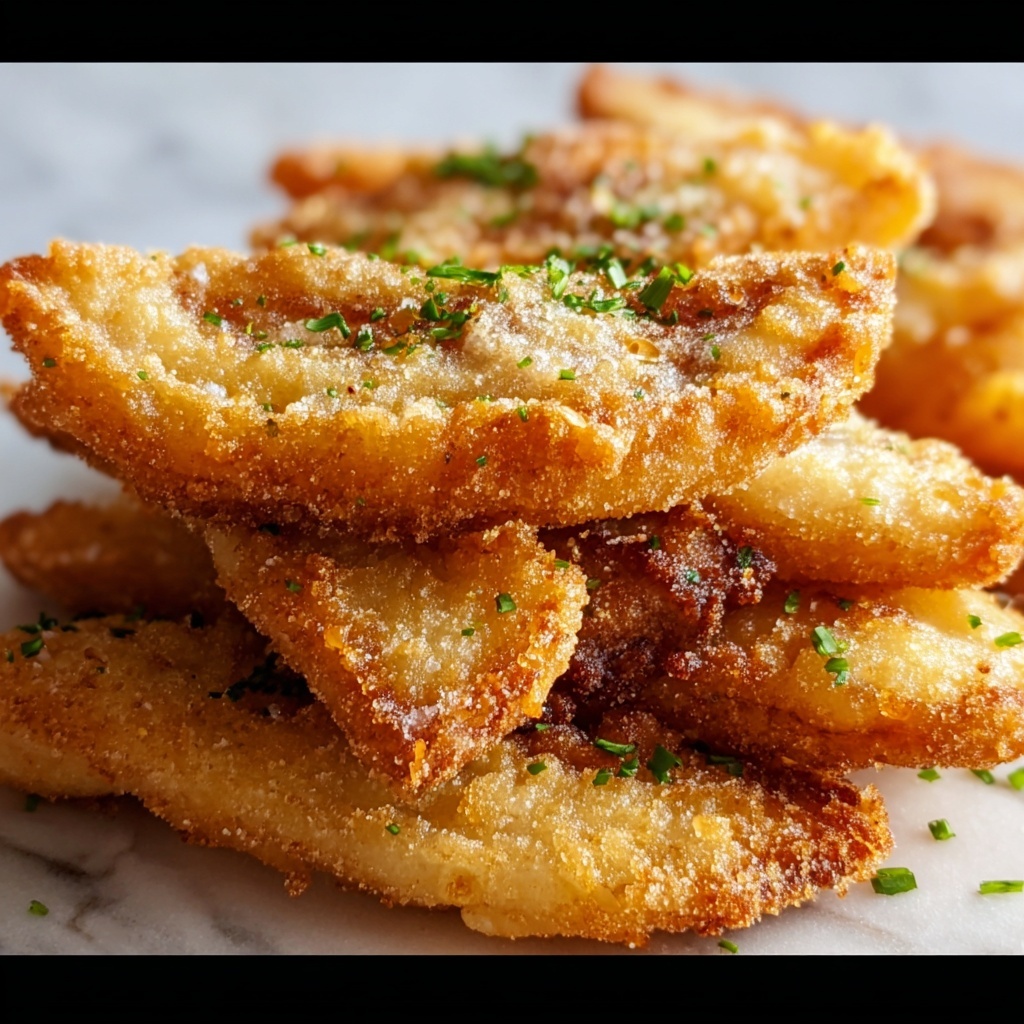
Simple garnishes work best with Raising Cane Tenders. A sprinkle of fresh chopped parsley adds a pop of color and a hint of freshness, while a wedge of lemon provides a bright contrast to the crispy richness if you like a zesty twist. Of course, a side of the classic Raising Cane dipping sauce or ranch dressing makes them even more irresistible.
Side Dishes
These tenders pair wonderfully with salty, crunchy fries or classic coleslaw to balance the texture and temperature on your plate. For a healthier or more vibrant option, serve alongside crisp green beans or a fresh garden salad. Macaroni and cheese is also a beloved comfort food companion, creating a feast everyone will adore.
Creative Ways to Present
Thinking outside the box? Try stacking a few tenders on a bun with lettuce, tomato, and your favorite sauce to make a quick chicken tender sandwich. Or chop the tenders into bite-sized pieces for fun chicken tender salads or wraps. You can even serve them as appetizer skewers with dipping sauces for parties—there’s so much you can do!
Make Ahead and Storage
Storing Leftovers
If you happen to have leftover Raising Cane Tenders (which is rare!), store them in an airtight container in the refrigerator for up to three days. Make sure they are completely cooled to room temperature before sealing to avoid sogginess.
Freezing
For longer storage, freeze the fully cooked tenders in a single layer on a baking sheet. Once frozen solid, transfer them to a freezer bag or airtight container. They will keep well for up to two months and are perfect to have on hand for a quick meal.
Reheating
To bring back that fresh-fried crispiness, avoid the microwave which tends to make them soggy. Instead, reheat in a preheated oven at 375°F for about 10-15 minutes or until heated through and crispy again. A hot air fryer works great for reheating and maintaining crunch too.
FAQs
Can I use regular milk instead of buttermilk?
Buttermilk is key to tenderizing the chicken and adding tangy flavor, but if you don’t have any on hand, you can make a quick substitute by adding 1 tablespoon of lemon juice or vinegar to 1 cup of milk and letting it sit for a few minutes before using.
Is this recipe spicy?
The recipe has a gentle kick thanks to the cayenne pepper, but it’s not overly spicy. You can easily adjust the heat by adding more cayenne for extra spice or leaving it out if you prefer a milder flavor.
What oil is best for frying Raising Cane Tenders Recipe?
Vegetable oil is ideal because of its high smoke point and neutral flavor. Other good options include canola or peanut oil. Avoid olive oil as it can burn at the high frying temperature.
Can I bake these tenders instead of frying?
While frying gives that signature crispy crust, you can bake the tenders at 425°F for about 20-25 minutes, flipping halfway, for a healthier option. They won’t be as crispy but still delicious!
How long do I marinate the chicken?
You should marinate the chicken for at least 1 hour to get good flavor and tenderness, but letting it sit up to 8 hours in the fridge will make your Raising Cane Tenders Recipe even more succulent and tasty.
Final Thoughts
This Raising Cane Tenders Recipe is a fantastic way to bring a touch of your favorite fast-food magic into your home kitchen. With its succulent, seasoned chicken and addictive crispy coating, it’s sure to become a new family favorite. Don’t hesitate to give it a try—you’ll be rewarded with tender bites that are simply unforgettable. Happy cooking!
Print
Raising Cane Tenders Recipe
- Prep Time: 15 minutes
- Cook Time: 15 minutes
- Total Time: 1 hour 30 minutes
- Yield: 4 servings
- Category: Main Course
- Method: Frying
- Cuisine: American
- Diet: Halal
Description
This recipe recreates the famous Raising Cane chicken tenders, known for their crispy, flavorful coating and tender, juicy interior. Marinated in a blend of buttermilk and spices, these chicken tenders are double-dredged in a seasoned flour mixture and fried to golden perfection. Perfect for a satisfying main course served with your favorite dipping sauce.
Ingredients
Marinade
- 1 1/2 pounds chicken tenders
- 2 cups buttermilk
- 1 large egg
- 2 teaspoons salt, divided
- 1 teaspoon black pepper, divided
- 1 teaspoon garlic powder
- 1 teaspoon onion powder
- 1 teaspoon paprika
Coating
- 2 cups all-purpose flour
- 1/2 cup cornstarch
- 1/2 teaspoon cayenne pepper
For Frying
- Vegetable oil (about 2 inches deep for frying)
Instructions
- Prepare the marinade: In a large bowl, whisk together the buttermilk, egg, 1 teaspoon salt, 1/2 teaspoon black pepper, garlic powder, onion powder, and paprika until fully combined.
- Marinate the chicken: Add the chicken tenders to the marinade, ensuring they are completely submerged. Cover the bowl and refrigerate for at least 1 hour and up to 8 hours to tenderize and infuse flavor.
- Mix the coating: In a separate shallow dish, combine the all-purpose flour, cornstarch, the remaining 1 teaspoon salt, remaining 1/2 teaspoon black pepper, and cayenne pepper. Stir well to evenly distribute the spices.
- Dredge the chicken: Remove each tender from the marinade, letting excess drip off. Thoroughly coat each piece in the flour mixture, pressing the coating onto the chicken for an even crust. For extra crispiness, dip coated tenders back into the buttermilk marinade and dredge again in the flour mixture.
- Heat the oil: Pour vegetable oil into a deep, heavy-bottomed pot to about 2 inches depth. Heat oil to 350°F (175°C), monitoring temperature carefully for consistent frying.
- Fry the tenders: Working in batches to avoid crowding, carefully lower the chicken tenders into the hot oil. Fry for 4 to 6 minutes, turning occasionally until golden brown and cooked through (internal temperature of 165°F).
- Drain and serve: Remove the fried tenders with a slotted spoon and place them on a wire rack or a plate lined with paper towels to drain excess oil. Serve hot with your favorite dipping sauces and sides.
Notes
- Maintain the oil temperature between 325°F and 350°F to ensure even cooking and a crispy exterior.
- Avoid overcrowding the pot to prevent the oil temperature from dropping, which can cause greasy tenders.
- For best flavor, marinate the chicken up to 8 hours but no less than 1 hour.
- The double dredging (flour, then buttermilk, then flour again) creates an extra crispy coating.
- Serve with classic fries and Cane’s signature dipping sauce for an authentic experience.